



NEWS LETTER Fresh Story Vol. 31 Jul. 2020
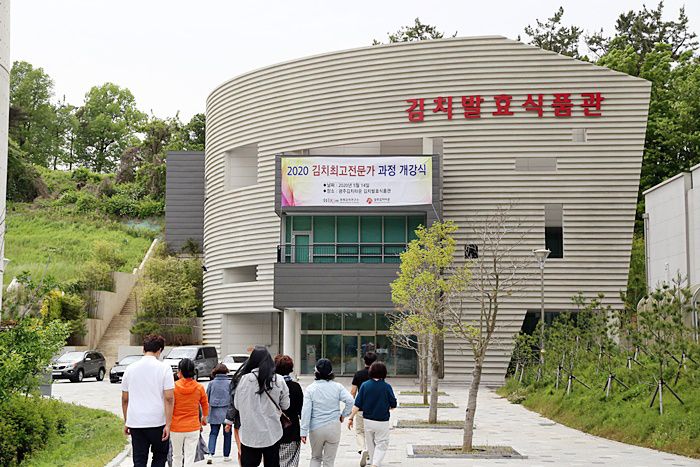
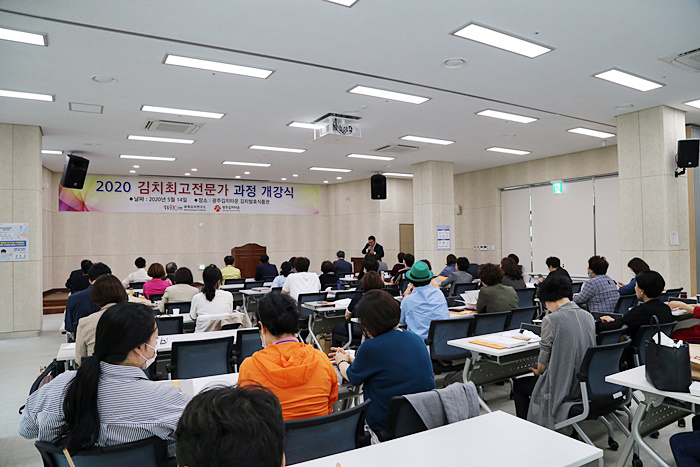
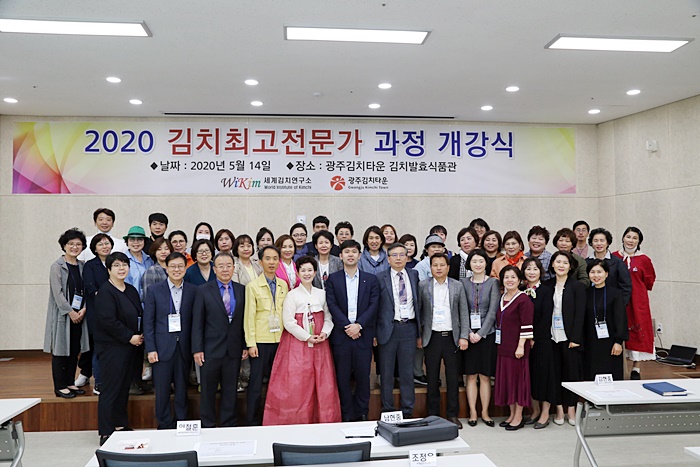
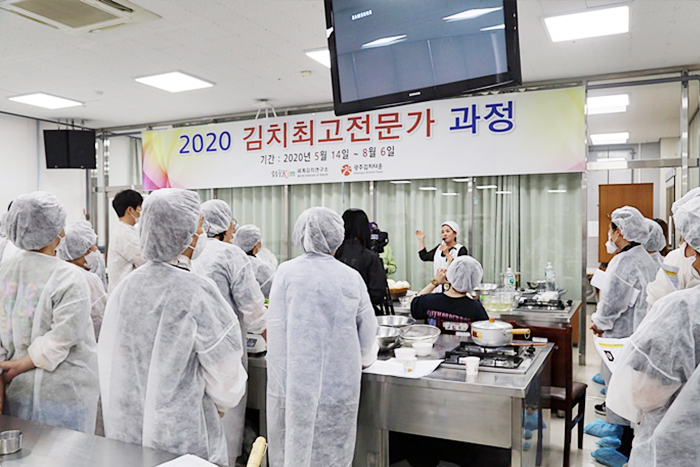
The Best Kimchi Expert training course was held on May 14 at the Kimchi Fermented Food Museum, Gwangju Kimchi Town, by WiKim, the course that is operated by the World Kimchi Academy and entrusted by the Gwangju Metropolitan City.
This training course combines theory and practice for practitioners in the kimchi industry and prospective kimchi masters. The objective was to gain a comprehensive knowledge of the history, culture, science, manufacturing technology, and quality management of kimchi.
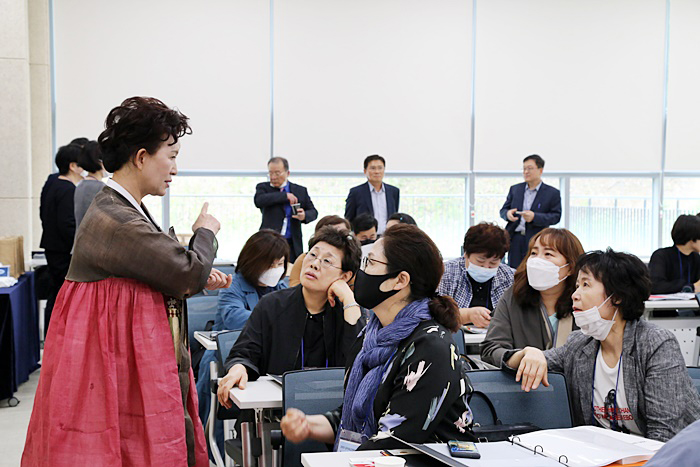
The opening was delayed because of the Covid-19 but all 30 applicants were excited to learn about kimchi as they attended the opening ceremony while ensuring compliance with the disinfection/quarantine rules.
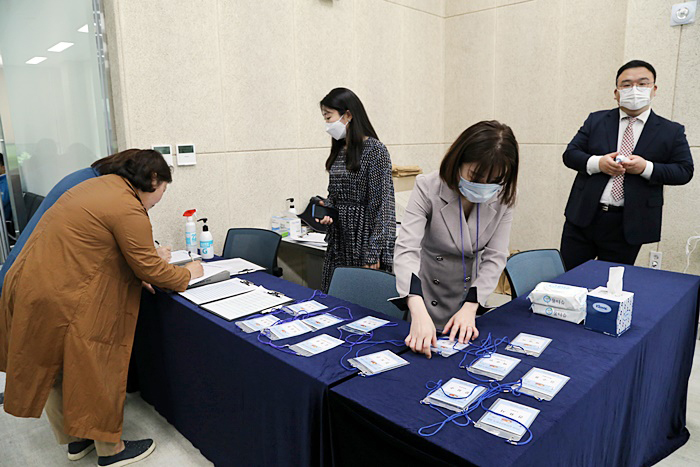
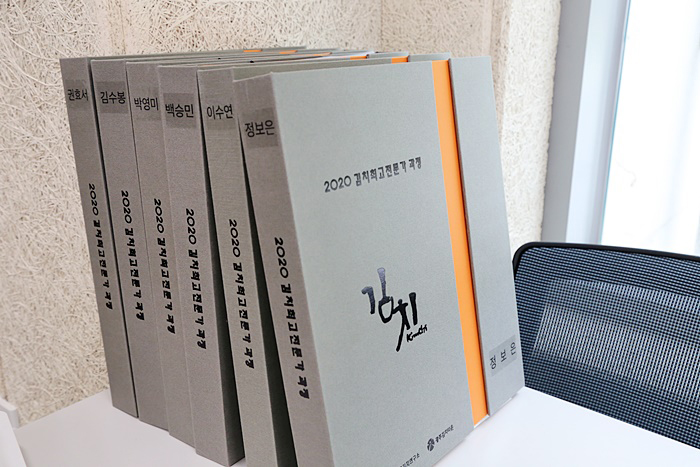
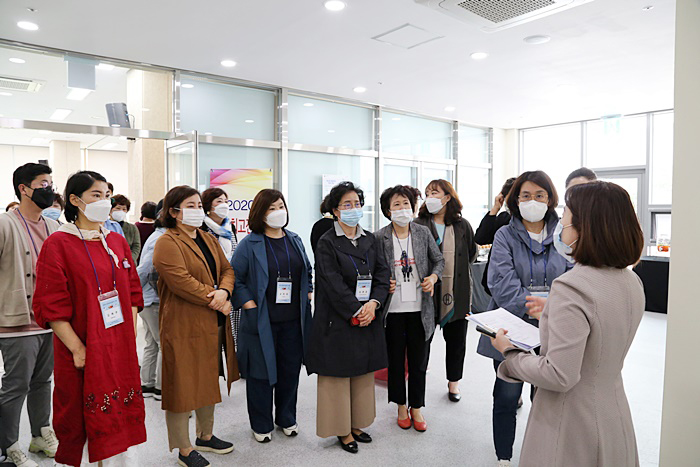
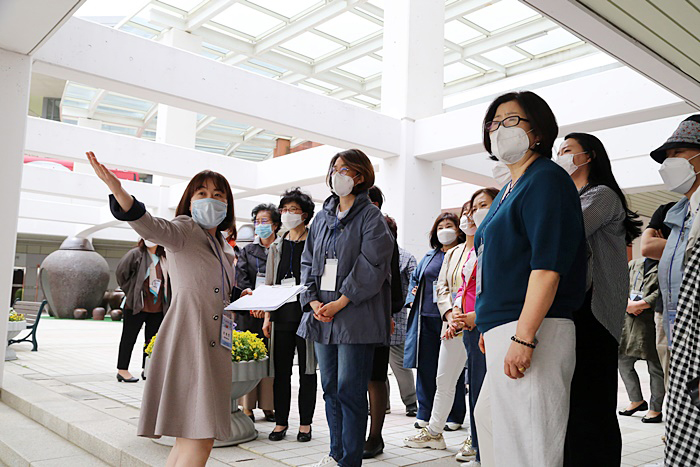
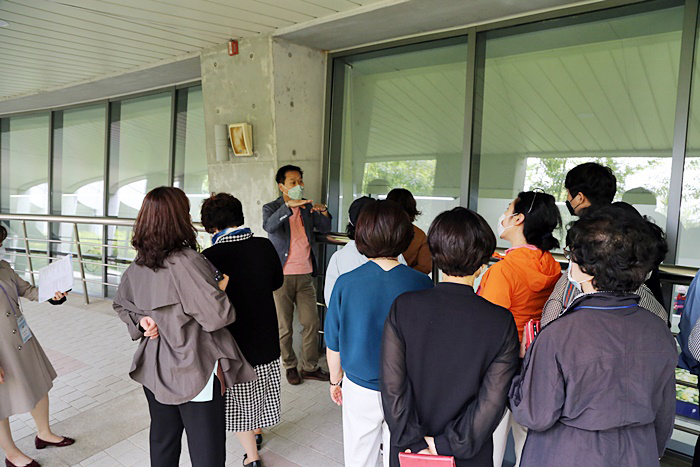
Before the opening ceremony, the attendees had an opportunity to tour the Gwangju Kimchi Town with the guidance of Yong Min Kwon, Researcher at WiKim. Looking around the town where weekly classes would be held every Thursday for the next 12 weeks, they became even more excited.
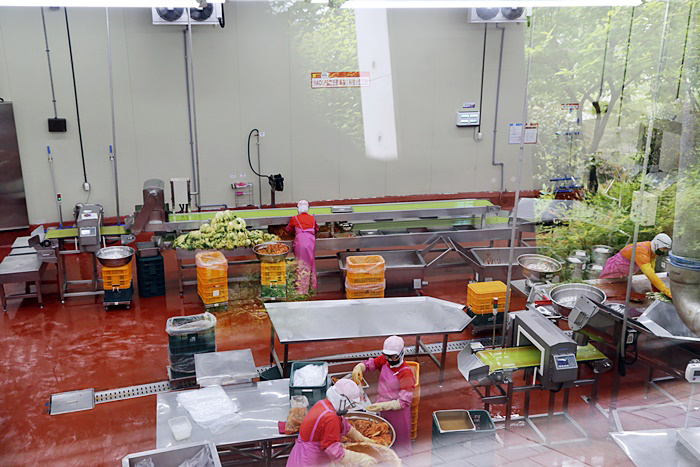
In particular, when touring kimchi processing factories, they could satisfy their curiosity as kimchi-making procedures were explained by Hyu-seon Jeong, CEO of KIMCHI TOWN Inc., a social enterprise located in the kimchi town.
Many key officials came to attend the opening ceremony, including Chae-Lin Park, President of the World Kimchi Academy; Hyun-jung Nam, Deputy Director of the Ministry of Agriculture, Food and Rural Affairs; Hyun-jung Kim, Director of the Bio-Agriculture Division, Gwangju Metropolitan City; Ha-yeon Lee, Chairman of the Kimchi Association of Korea; Chul-hun Yang, Manager of the Gwangju Kimchi Town Management Office; and Jung Eun Cho, Director of the Strategy and Planning Division of WiKim.
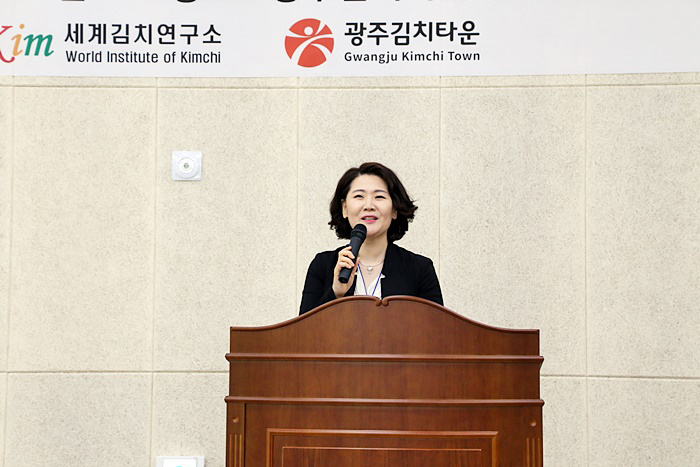
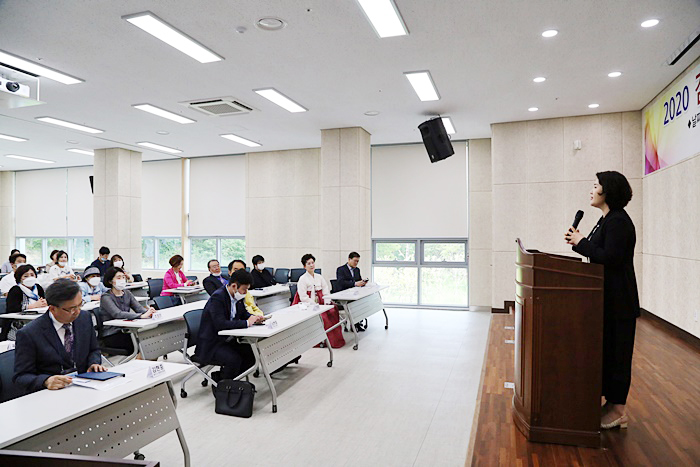
(Welcoming remarks) President of the World Kimchi Academy and Chief Researcher of WiKim, Chae-Lin Park
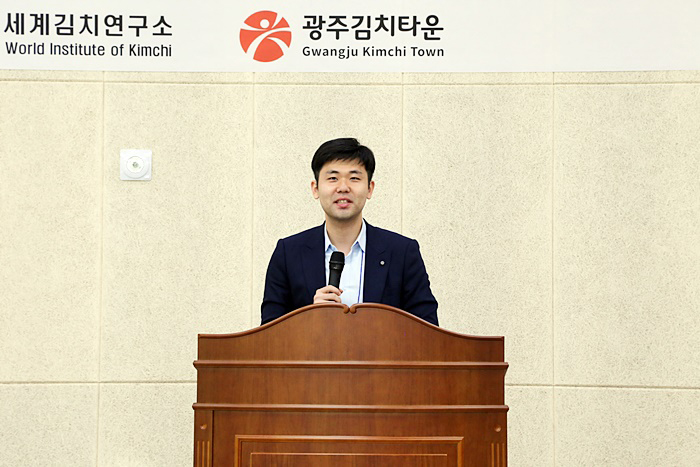
(Congratulatory speech) Deputy Director of the Ministry of Agriculture, Food and Rural Affairs, Hyun-jung Nam
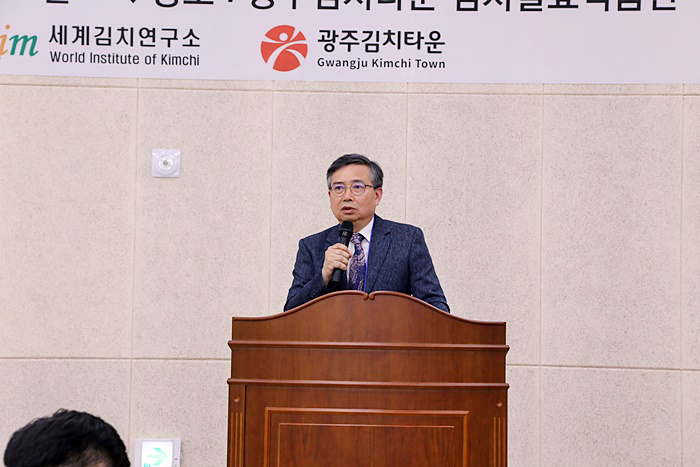
(Congratulatory speech) Director of the Bio-Agriculture Division of Gwangju Metropolitan City, Hyun-jung Kim
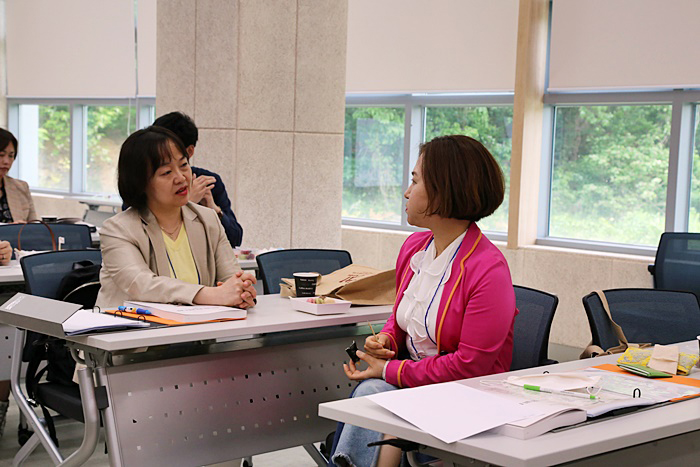
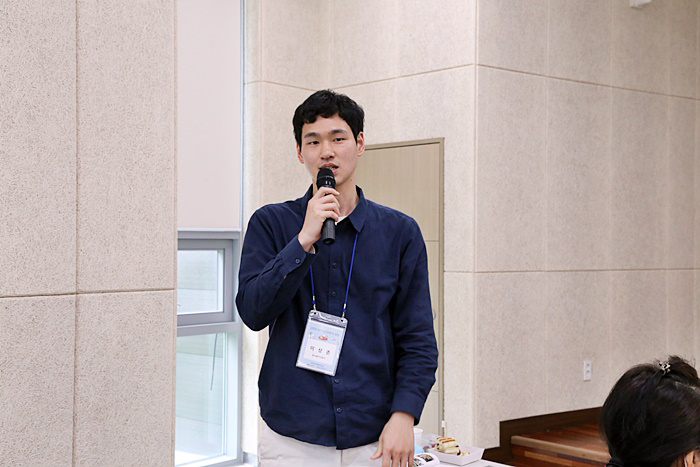
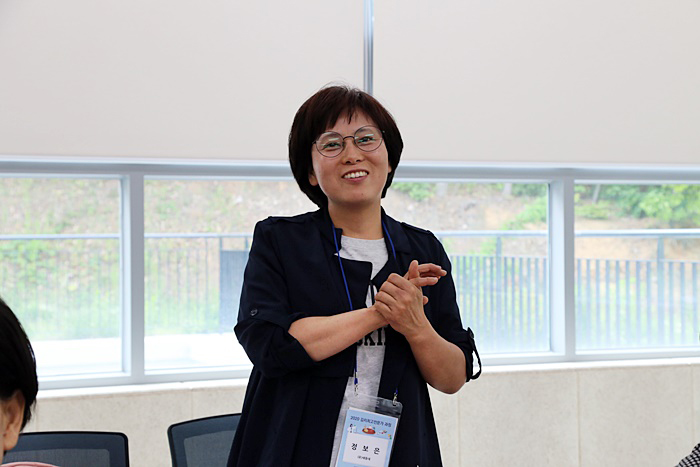
During the orientation that followed the opening ceremony, the participants had the chance to introduce themselves and share what brought them to the course. The self-introduction activity was a venue to witness the participants’ passion for the training, especially for those who came from distant places, such as Gangwon-do and Jeju Island.
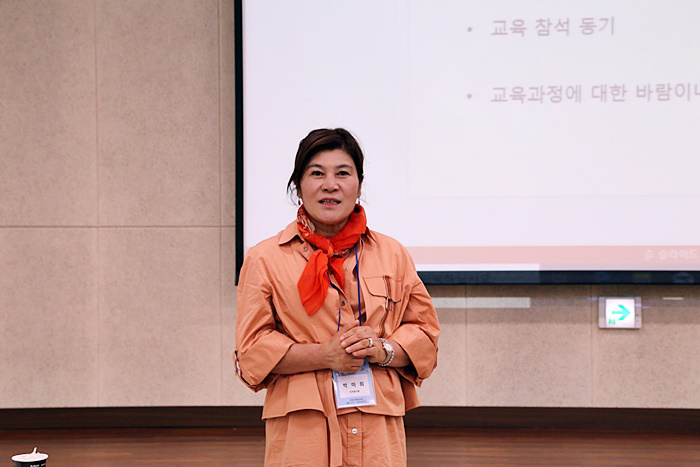
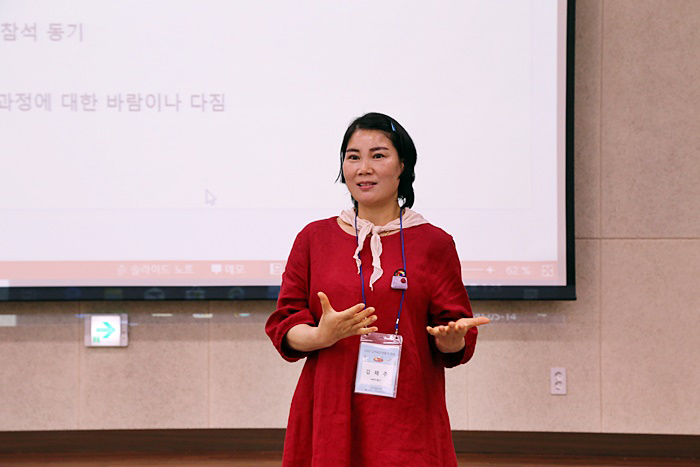
In the first class, Chae Lin Park delivered a lecture with the theme “The History and Culture of Kimchi.” She introduced the significance of food fermentation, the developmental background of Korean fermented foods, and the process of kimchi development on the Korean Peninsula. She also talked about how to preserve kimchi culture continuously.
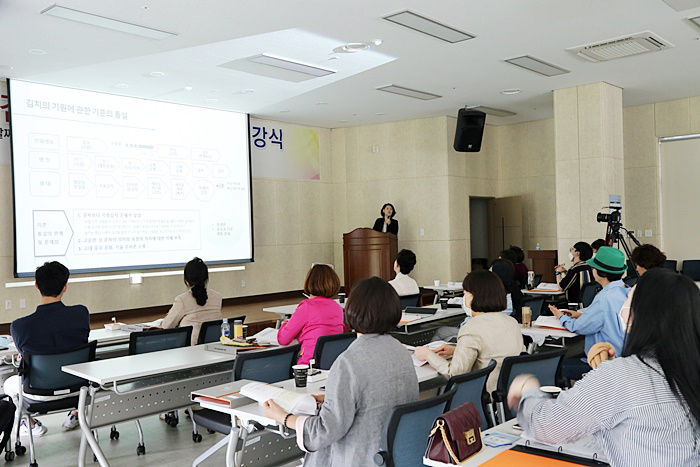
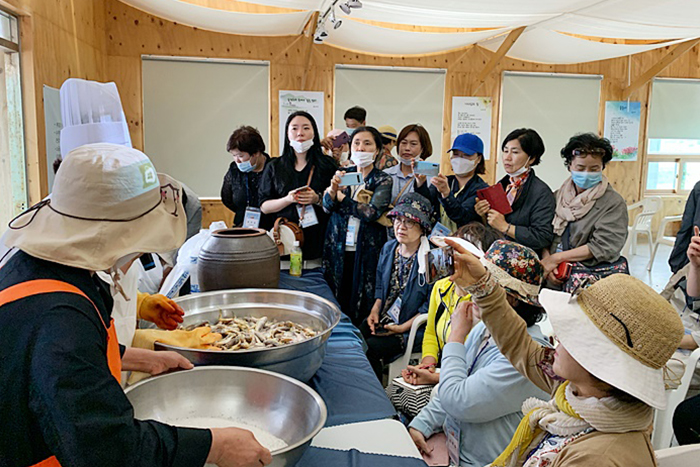
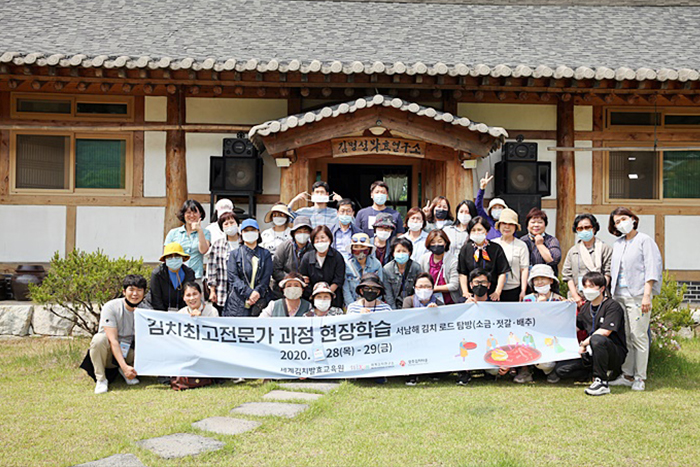
On May 28, a field trip was held to introduce the ingredients of kimchi and the food culture. While visiting salt farms, jeotgal (salted seafood) factories, and factories which salt kimchi cabbages, the participants further understood how kimchi ingredients were produced, and they were able to witness the hard work behind this process.
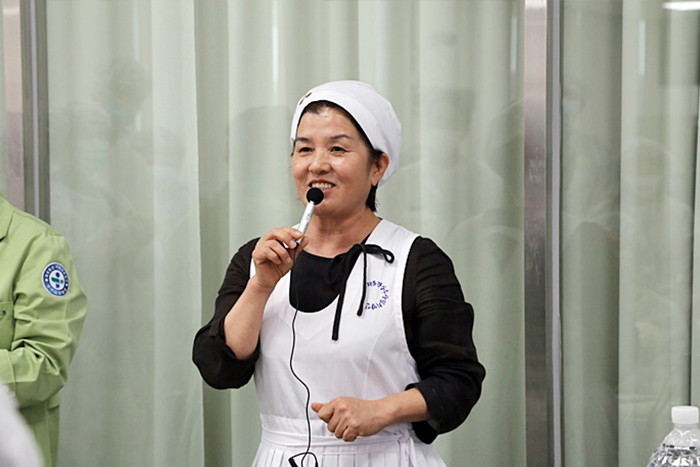
On June 18, Ki-soon Park, a Kimchi Master from Gwangju, who received the Presidential Award at the Gwangju World Kimchi Festival in 2010, conducted a class for making mulkimchi (watery kimchi), such as baekkimchi (white kimchi), dongchimi (radish watery kimchi), and seasonal mulkimchi (watery kimchi). In addition to kimchi-making theory and practice, there will be various classes on sales strategies, trademarks and patents, and more. Through this course, WiKim hopes to produce globally recognized kimchi experts.
A new series named How Much Have You Seen Kimchi? was posted in WiKim Newsletter Fresh Story Vol. 25. It is an on-the-scene reporting intended for WiKim to convey various news in detail. More useful information will be provided. We always look forward to your interest and support.


- World Institute of Kimchi, 86, Kimchi-ro, Nam-gu, Gwangju, 61755, Republic of Korea / TEL. +82.62.610.1700